
Metropolis: A Searing Critique of Inequality Through Contrast
Written by Lea Safaryan for Justine McLellan’s Cinema Styles course Metropolis (Lang, 1927) is a Weimar-era sci-fi film that explores themes of class disparity and industrialization. Through the use of contrast within the mise-en-scène, elements such as the aristocratic costuming, the theatrical acting, and the hyper-industrialized megacity come together to compound on those central themes.…

Parasite and The Menu on Anti-Capitalism
Written by Lily Greenspoon and Gabriella Kouri for Magdalena Olszanowski’s Cinema Styles course Described as “eat the rich movies,” Bong Joon-ho’s 2019 film Parasite and Mark Mylod’s 2022 film The Menu have been praised for their commentary on class consciousness: exploring anti-capitalism, and highlighting the inequalities that exist between classes, along with the problems that arise…

Isolation and Desire: The Psychological Landscape of Tom at the Farm
Written by Zheng Cheng for Justine McLellan’s Cinema Styles course Tom at the Farm (2013), a psychological thriller directed by Xavier Dolan, tells the story of Tom, a young man from Montreal, who attends his deceased boyfriend’s – Guillaume – funeral in rural Quebec. At the remote farm, Tom struggles when he develops an abnormal…

Reconstructing Memories: Intimacy and Silence in Aftersun
Written by Élise Léger for Justine McLellan’s Cinema Styles course Aftersun (2022) is a film acting as intimate memories reminisced by daughter Sophie (Frankie Corio) about a vacation spent with her father (Paul Mescal) in the 1990s. Directed by Charlotte Wells, the film deals with themes of depression, connection, and detachment. These themes are well…

Anthropocentrism in Grizzly Man and La Pieuvre
Written by Dorothée Gingras-Bernardin for Magdalena Olszanowski’s Cinema and Communications: Selected Topics course Winner of the Cheryl Simon Writing Award for Subtext’s Fall 2024 issue Is it possible to perceive nature without projecting human values onto it? How can cinema reinforce our anthropocentric mentality or, on the contrary, contribute to a reconceptualization of nature and…

Organic Futures: Intersecting Tradition, Technology, and Asian Identities in After Yang
Written by Luca Graziani for Justine McLellan’s Cinema Styles course Following the lives of mixed-race couple Kyra and Jake, who purchase an android named Yang to teach their adoptive child Mika about her Chinese culture and heritage, After Yang explores the theme of Asian identity through the means of technology, nature, and the instrumental contrast…

The Power of Wild Imagination
Created by Rex Buatag for Justine McLellan’s Explorations in Cinema and Communications class Rex Buatag discusses childlike imagination through the lens of “Where the Wild Things Are” directed by Spike Jonze, based on the book of the same name by Maurice Sendak.

Seen and Not Seen: 1960s and 1970s American Gender Politics
Created by Vassilia Kiakas and Maya Gregoire for Magdalena Olzanowski’s History of Film Production Techniques class Vassilia Kiakas and Maya Gregoire discuss 1960s and 1970s queer representation and gender politics through the lens of horror.

Udigrudi: From Underground to the Surface
Created by Stella Avolio for Magdalena Olzanowski’s History of Film Production Techniques class Stella Avolio explains and analyzes the cinematic movement ‘udigrudi,’ a Brazilian subculture that was active between the 1960s and 1970s.

The Evolution of the Iconic “Flying Warrior Special Effect” in Chinese Cinema
Luke Chau delves into the history of an iconic special effect in Chinese cinema.

Poor Things: A Feminist Analysis
Video Essay submitted in Jesse Hunter’s Film Theory course. Maya Mielenz analyzes the film “Poor Things,” directed by Yorgos Lanthimos, through a feminist lens.
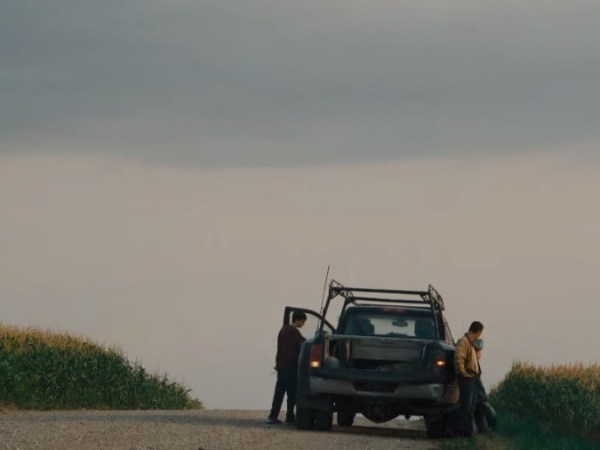
Interstellar & Greenland: Beyond Human Nature
Written by Aylu Girard for Magdalena Olszanowski’s Cinema and Communications: Selected Topics course “We used to look up at the sky and wonder about our place in the stars. Now we just look down and worry about our place in the dirt.” – Interstellar Interstellar directed by Christopher Nolan (2014) and Greenland directed by Ric…
 SUBTEXT JOURNAL