Category: Cinema Styles
-
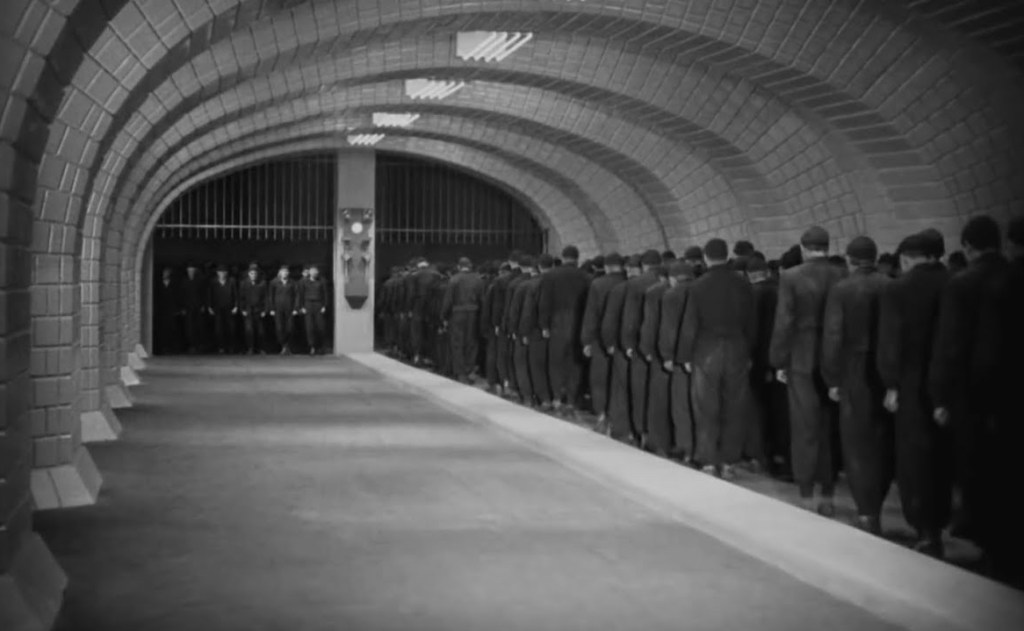
Metropolis: A Searing Critique of Inequality Through Contrast
Written by Lea Safaryan for Justine McLellan’s Cinema Styles course Metropolis (Lang, 1927) is a Weimar-era sci-fi film that explores themes of class disparity and industrialization. Through the use of contrast within the mise-en-scène, elements such as the aristocratic costuming, the theatrical acting, and the hyper-industrialized megacity come together to compound on those central themes.…
-

Parasite and The Menu on Anti-Capitalism
Written by Lily Greenspoon and Gabriella Kouri for Magdalena Olszanowski’s Cinema Styles course Described as “eat the rich movies,” Bong Joon-ho’s 2019 film Parasite and Mark Mylod’s 2022 film The Menu have been praised for their commentary on class consciousness: exploring anti-capitalism, and highlighting the inequalities that exist between classes, along with the problems that arise…
-

Isolation and Desire: The Psychological Landscape of Tom at the Farm
Written by Zheng Cheng for Justine McLellan’s Cinema Styles course Tom at the Farm (2013), a psychological thriller directed by Xavier Dolan, tells the story of Tom, a young man from Montreal, who attends his deceased boyfriend’s – Guillaume – funeral in rural Quebec. At the remote farm, Tom struggles when he develops an abnormal…
-

Organic Futures: Intersecting Tradition, Technology, and Asian Identities in After Yang
Written by Luca Graziani for Justine McLellan’s Cinema Styles course Following the lives of mixed-race couple Kyra and Jake, who purchase an android named Yang to teach their adoptive child Mika about her Chinese culture and heritage, After Yang explores the theme of Asian identity through the means of technology, nature, and the instrumental contrast…
-
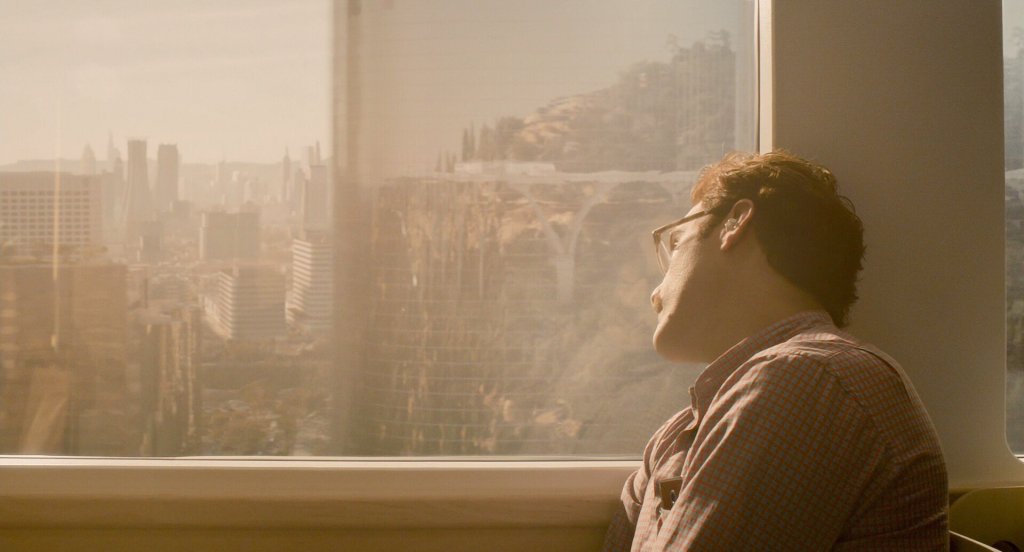
Love Without Borders: The Parental Relationship Between Theodore and Samantha in Spike Jonze’s Her
Written by Elliot King for Justine McLellan’s Cinema Styles course Spike Jonze’s Her (2014) is set in a futuristic world where technology has been fully integrated into everyday life, even more than today. This is clear when the protagonist Theodore (Joaquin Phoenix) falls in love with an operating system named Samantha (Scarlett Johansson). Regardless of…
-
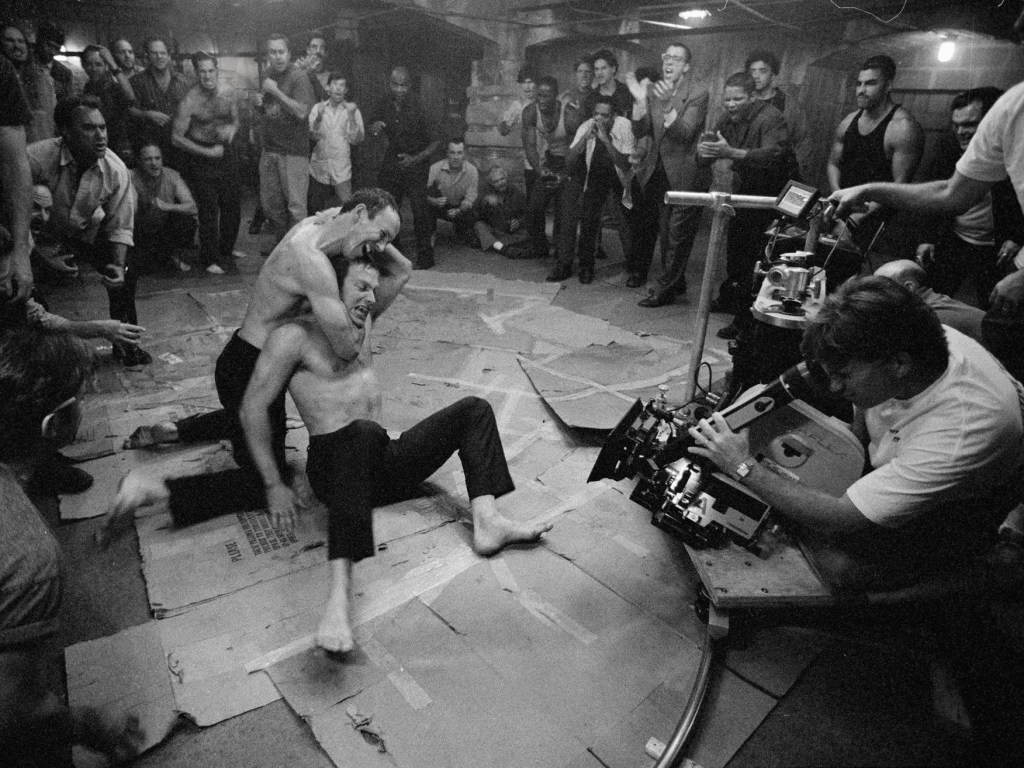
Cinematic Transformations: Exploring the Evolution of Violence in Film Narratives
Written by Eva Sivilla and Noa Druker for Michael Filtz’s Cinema Styles course In its primitive form, the use of violence in cinema ranged from portraying moral consciousness to simply serving as a form of entertainment. Yet, through the evolution of characterization, the advancement of modern-day cinematography, and a societal desensitization to violence, Hollywood and the film…
-

The Model Minority in Film
The Model Minority in Film by Lindsy Mae explores the concept of the Model Minority in film and its perpetuation of harmful stereotypes due to the limited portrayal of Asian characters in mainstream media.
-

Shifting Identities
A scene analysis from Robert Altman’s 3 Women Written by Kayliya Phongsavath Sananikone for Justine McLellan’s Cinema Styles course 3 Women (1977), directed by Robert Altman, is a fever dream of a film that follows the otherwise mundane lives of Millie, Pinky, and Willie. The film focuses on their identities and how those are shaped…
 SUBTEXT JOURNAL