
Toxic Masculinity & Moose Hunting in Pierre Perrault’s The Shimmering Beast
Written by Markus Falk and Juniper McKenzie for Justine McLellan’s Cinema and Culture course The film La Bête Lumineuse (Pierre Perrault, 1982) centers around a group of middle-aged men who go on a hunting trip in search of moose. During this trip, the social dynamics of the group, compared to that of a wolfpack, gets…

Shifting Identities
A scene analysis from Robert Altman’s 3 Women Written by Kayliya Phongsavath Sananikone for Justine McLellan’s Cinema Styles course 3 Women (1977), directed by Robert Altman, is a fever dream of a film that follows the otherwise mundane lives of Millie, Pinky, and Willie. The film focuses on their identities and how those are shaped…

Jordan Peele’s Nope
Created by Kayla Rodgers Kayla Rodgers analyses “The Star Lasso Experience” scene from Jordan Peele’s 2022 Horror/Sci-Fi.
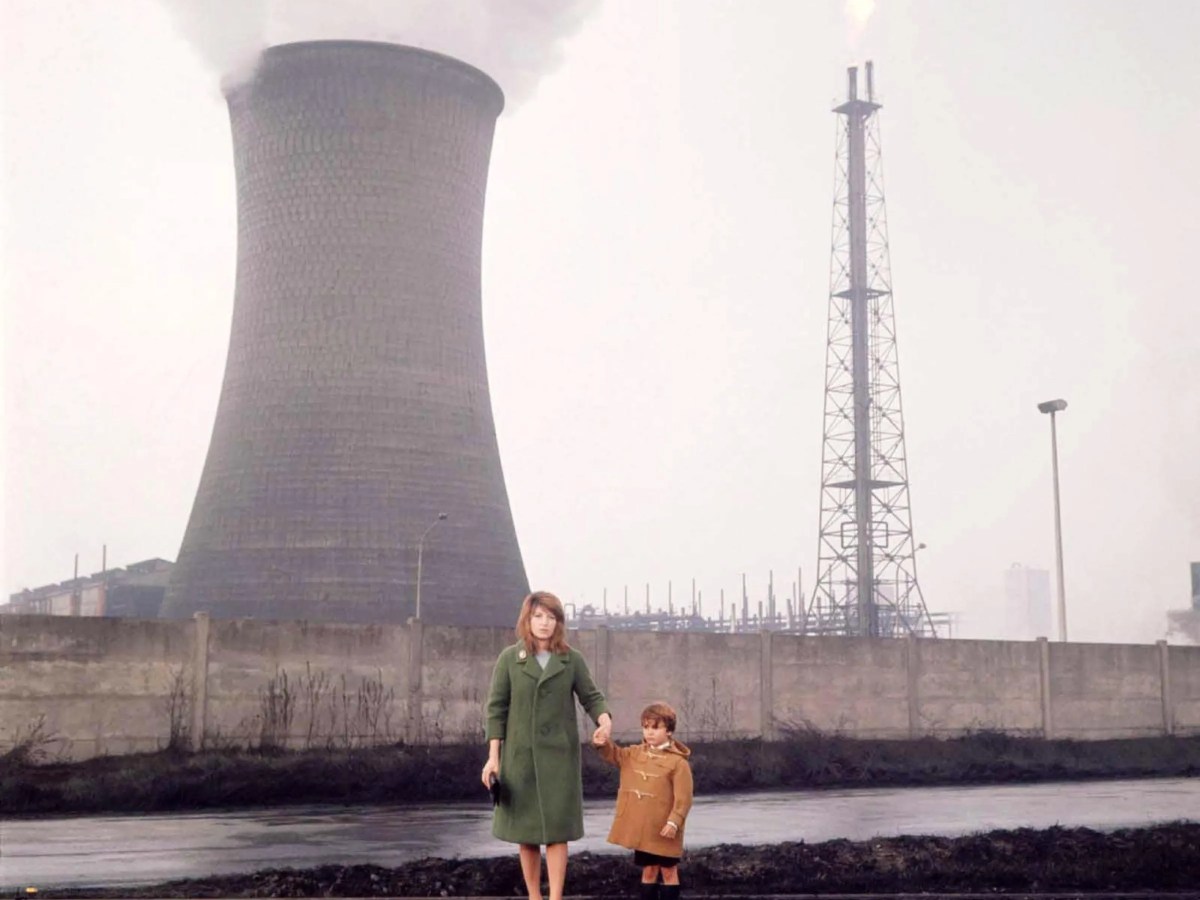
Alienation as a Result of Mass Industrialization in Antonioni’s Red Desert
Written by Dorothée Gingras-B for Magdalena Olszanowski’s Ecocinema course Through grim images of factory chimneys, opaque fumes, and behemoth infrastructure, Michelangelo Antonioni’s 1964 drama Red Desert tells the story of a woman’s growing sense of alienation and disorientation in the face of a highly industrialized and increasingly polluted environment. In the midst of Italy’s booming after-war…
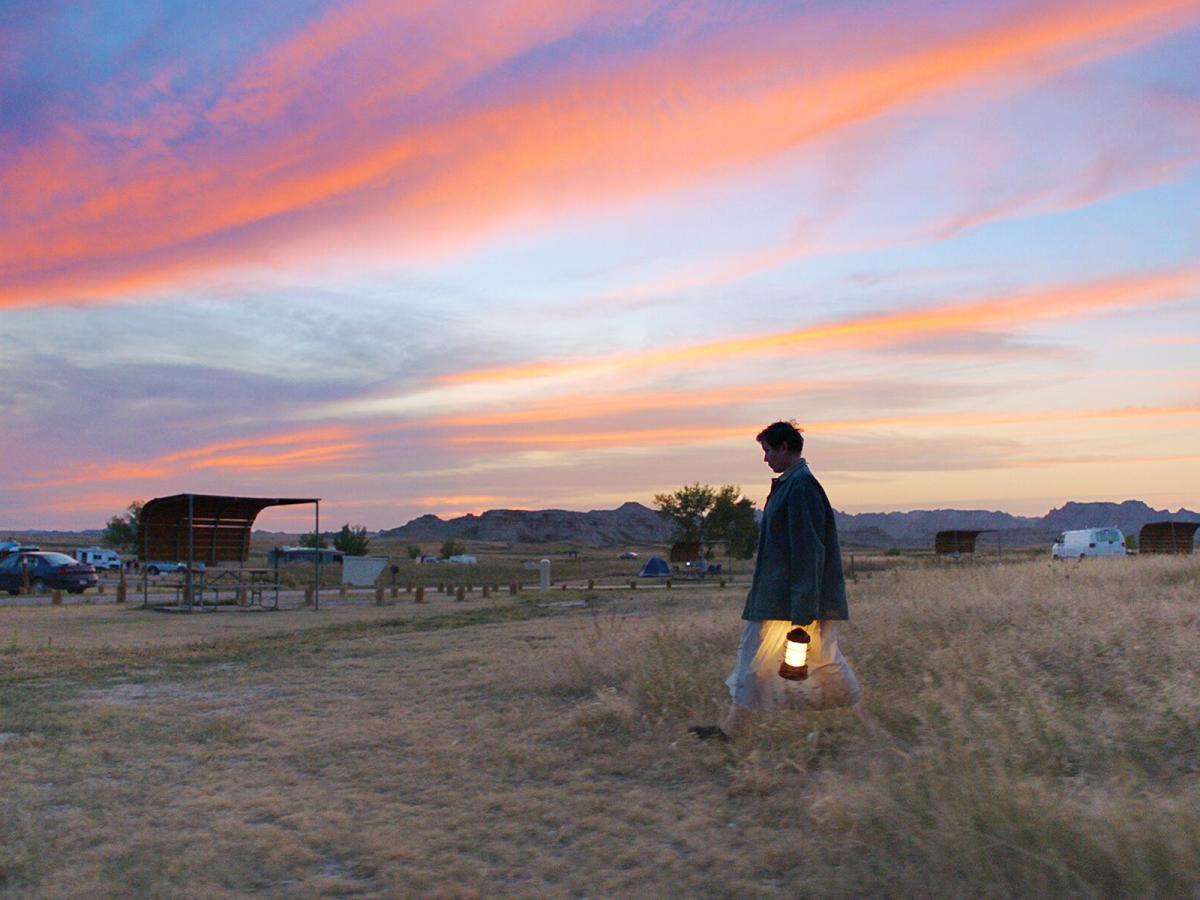
The Mesmerizing and Brutal Essence of Nature in Chloe Zhao’s Nomadland
By Angélique Babineau, written for Magdalena Olszanowski’s Ecocinema class Nomadland (2020), set in 2011 Nevada, Arizona, South Dakota, and California, is an independent American drama directed by Chinese filmmaker Chloe Zhao. Adapted from the 2017 novel by Jessica Bruder of the same title, Nomadland mostly features real nomads as fictionalized versions of themselves (Linda May…

Cultural Differences, Diasporic Cinema in The Farewell
By Clarisse Boutin, created for Justine McLellan’s Media and Society course Click the image or here to watch

Romantic Comedies and Romantic Ideals
By Clarisse Boutin and Arielle Simon-Hamel, created for Justine McLellan’s Media and Society course

Cinema and Behavior
by Sarah Foster, Caleb Gales & Emilia Martinez, created for Justine McLellan’s Media and Society course

Denis Villeneuve’s Arrival and the Critique of Nationalism
By Théo Lambert, created for Justine McLellan’s Media and Society course

Reality Television as a Funhouse Mirror
By Théo Lambert, created for Justine McLellan’s Media and Society course
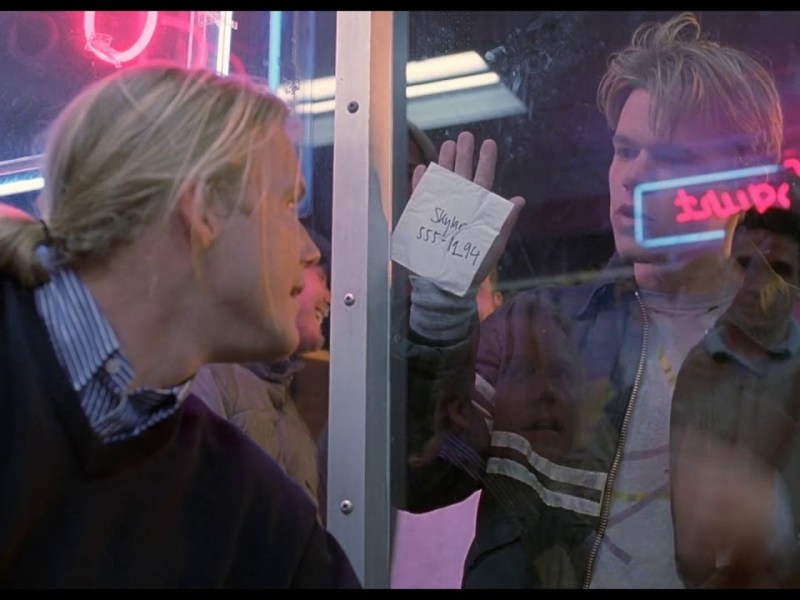
How Do You Like Them Apples?
By Lisa Nguyen, created for Dipti Gupta’s Cinema and Culture course.
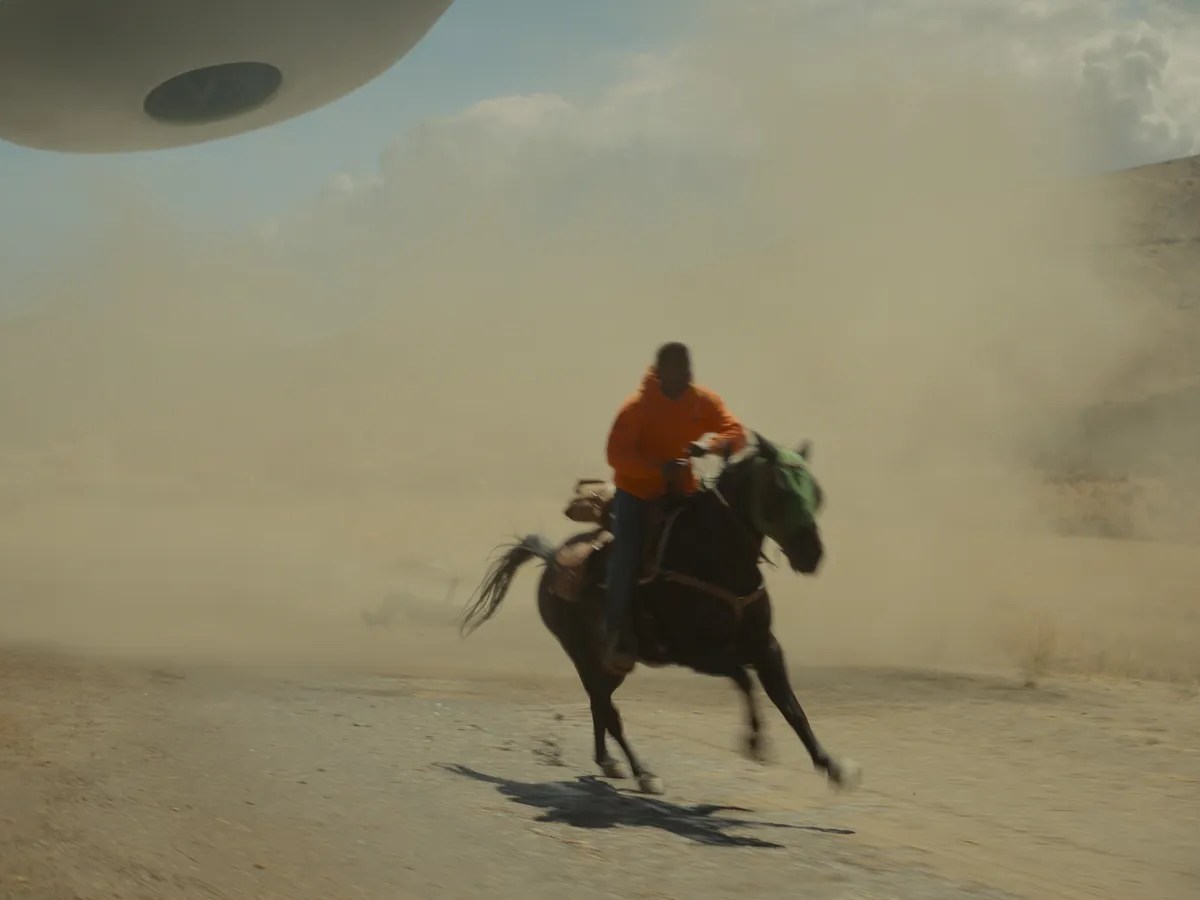
The Erasure of Black Contribution in Hollywood and Jordan Peele’s Nope
By Ethan Bautista, created for Justine McLellan’s Media and Society course In this magazine, Ethan Bautista explores how Jordan Peele’s Nope addresses the historical lack of recognition for black contribution in the film industry, thus touching on topics such as presentism, the legacy of stunt work, themes of exploitation and the monster’s allegorical nature.
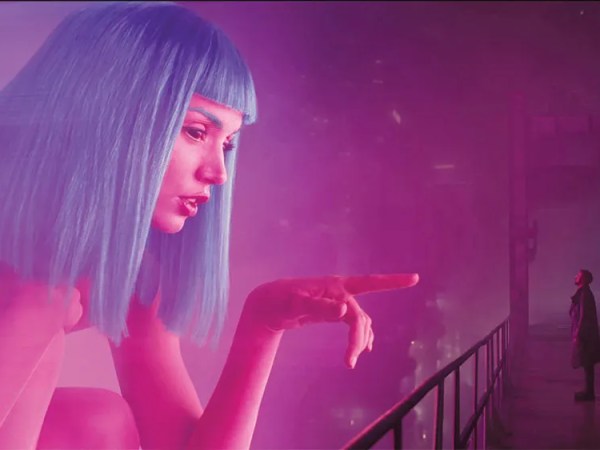
Fembot Fantasy
By Victoria Psiharis, Emma Simetic, Adelina Petkova and Sofia Timotheatos, created for Justine McLellan’s Media and Society course Fembot Fantasy analyzes the science-fiction genre’s fetishistic portrayal of fembots, robots adorning feminine traits, through the lense of technoscopophilia.
Women’s Self-Determination
A comparative analysis of Miriam Toews’ Women Talking and Greta Gerwig’s Little Women By Kara Chevry, written for Louise Slater’s Women and Anger course For four years, several women and girls within a remote Mennonite colony have woken up in pain and agony, their skin marked with bruises and cuts. The colony’s religious leaders laid…
Spectatorship Theory’s Relation to Genre Films
By Clarisse Boutin, written for Cheryl Simon’s Film Theory course Since its development in the 1970s, spectatorship theory has become an integral aspect of film studies. This theory explores the connections between cinematic apparatus —including, but not limited to, cinematography, editing, music, and performance— and individual interpretations of a film based on our personal baggage…

Taylor Swift and the Double Standard of Modern Media
By Emilia Martinez-Zalce Darroch, written for Justine McLellan’s Explorations in Cinema and Communication “I would be complex / I would be cool / They’d say I played the field before I found someone to commit to / And that would be okay for me to do / Every conquest I had made would make me…

An Exploration of National Identity: New German Cinema
By Alexandrina Sandu, written for Cheryl Simon’s Film Theory course Andrew Higson, professor of Film and Television at the University of York, explains that it is primordial “[…] to pay attention to historical shifts in the construction of nationhood and national identity: nationhood is always an image constructed under particular conditions” (Higson 44). Considering that…

The Rise of Feminist Horror
Written by Lou Tremblay, written for Justine McLellan’s Explorations in Cinema and Communications Winner of the Cheryl Simon Writing Award for Subtext’s Fall 2023 issue It is a well-known fact that the horror genre has not been particularly kind to women. In the past, horror films often have offered tropes, such as the “Final Girl”…
 SUBTEXT JOURNAL