Category: Film Theory
-

The Devil in Disguise: Feminism through the Male Gaze in Rosemary’s Baby
Written by Shira Goren for Cheryl Simon’s Film Theory course. TW: mention of r*pe. Rosemary’s Baby, directed by Roman Polanski in 1968, is a psychological horror movie that discusses themes such as paranoia, satanism, and women’s liberation. It deals with the story of a young woman named Rosemary who moves to New York with her…
-
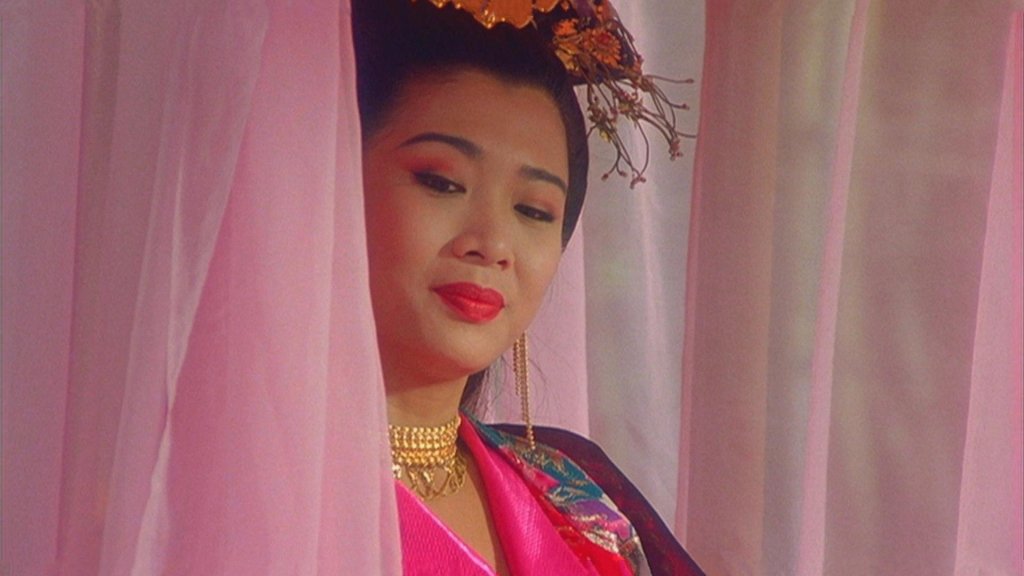
Category III Cinema: About Hong Kong’s Exploitation Cinema
Written by Mikaël Bédard for Cheryl Simon’s Film Theory course. In the 1996 film Viva Erotica, an out-of-work film director agrees to make a Category III/soft-core porno to make ends meet. He is asked to be more “Wong Jing than Wong Kar-wai”; in other words, he is asked to compromise his artistic integrity to make…
-

Stepford Wives and the Rebranding of Feminism
Delia Markus explores the difference between the two adaptations of The Stepford Wives and analyzes how feminist theory may be applied to each of them.
-

The Model Minority in Film
The Model Minority in Film by Lindsy Mae explores the concept of the Model Minority in film and its perpetuation of harmful stereotypes due to the limited portrayal of Asian characters in mainstream media.
-

The Mesmerizing and Brutal Essence of Nature in Chloe Zhao’s Nomadland
By Angélique Babineau, written for Magdalena Olszanowski’s Ecocinema class Nomadland (2020), set in 2011 Nevada, Arizona, South Dakota, and California, is an independent American drama directed by Chinese filmmaker Chloe Zhao. Adapted from the 2017 novel by Jessica Bruder of the same title, Nomadland mostly features real nomads as fictionalized versions of themselves (Linda May…
-

Cultural Differences, Diasporic Cinema in The Farewell
By Clarisse Boutin, created for Justine McLellan’s Media and Society course Click the image or here to watch
-

Romantic Comedies and Romantic Ideals
By Clarisse Boutin and Arielle Simon-Hamel, created for Justine McLellan’s Media and Society course
-
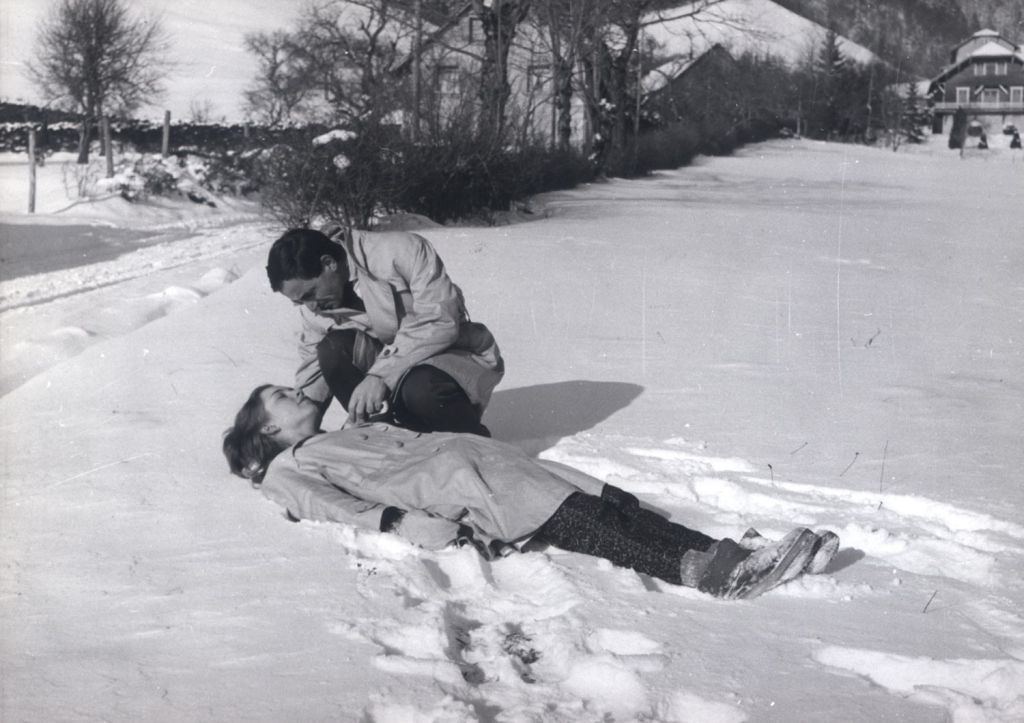
Spectatorship Theory’s Relation to Genre Films
By Clarisse Boutin, written for Cheryl Simon’s Film Theory course Since its development in the 1970s, spectatorship theory has become an integral aspect of film studies. This theory explores the connections between cinematic apparatus —including, but not limited to, cinematography, editing, music, and performance— and individual interpretations of a film based on our personal baggage…
-

An Exploration of National Identity: New German Cinema
By Alexandrina Sandu, written for Cheryl Simon’s Film Theory course Andrew Higson, professor of Film and Television at the University of York, explains that it is primordial “[…] to pay attention to historical shifts in the construction of nationhood and national identity: nationhood is always an image constructed under particular conditions” (Higson 44). Considering that…
 SUBTEXT JOURNAL