Written by Juniper McKenzie for Justine McLellan’s Cinema and Culture course
The 2023 film Anatomy of a Fall directed by Justine Triet is set in modern-day France, post COVID-19 lockdown. While this was a worldwide event, the pandemic hit France particularly hard with over 38,997,490 confirmed cases as of December 2023, making it the country with the fourth highest number of cases in the world, and 167,985 deaths (World Health Organization). This put France in an environment of uncertainty and isolation, as stated in an article regarding stress levels in parents of schoolchildren in France: “Among stressors during the pandemic, those involving uncertainty surrounding the pandemic, fear for one’s own health, fear of infecting others, reduced social and physical contact with others […] have resulted in important psychosocial consequences for parents” (Bourion-Bédès et al., p. 2). The quarantine, while affecting everyone, had a significant impact on those living alone or just with kids. In a study done on levels of loneliness in French citizens during the pandemic, it was found that “those who were single or separated/widowed were less likely to belong to the ‘low stable’ or ‘low rising’ group” (Laham et al., p. 32), meaning that they were more likely to feel high levels of loneliness. Such new uncomfortable circumstances have inspired many works of fiction that focus on themes of isolation and loneliness.
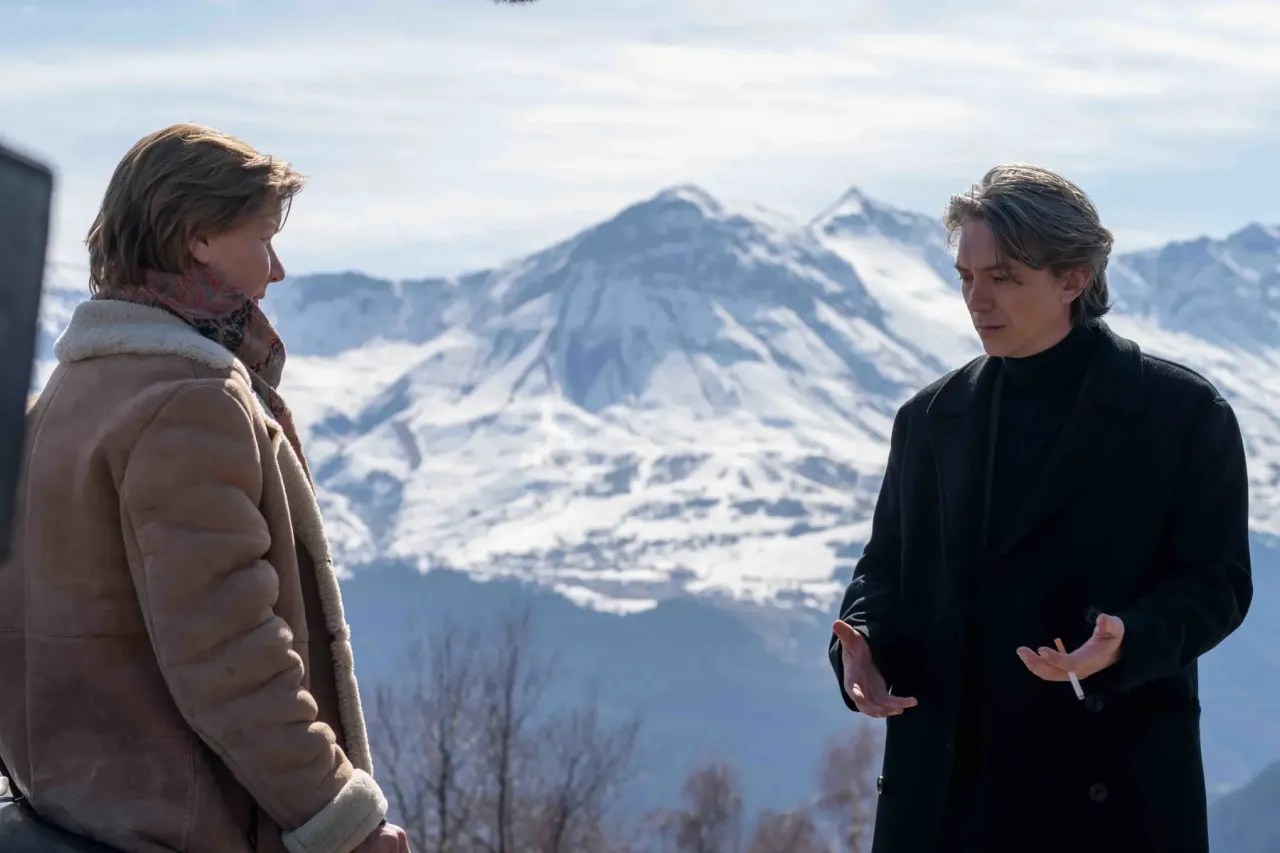
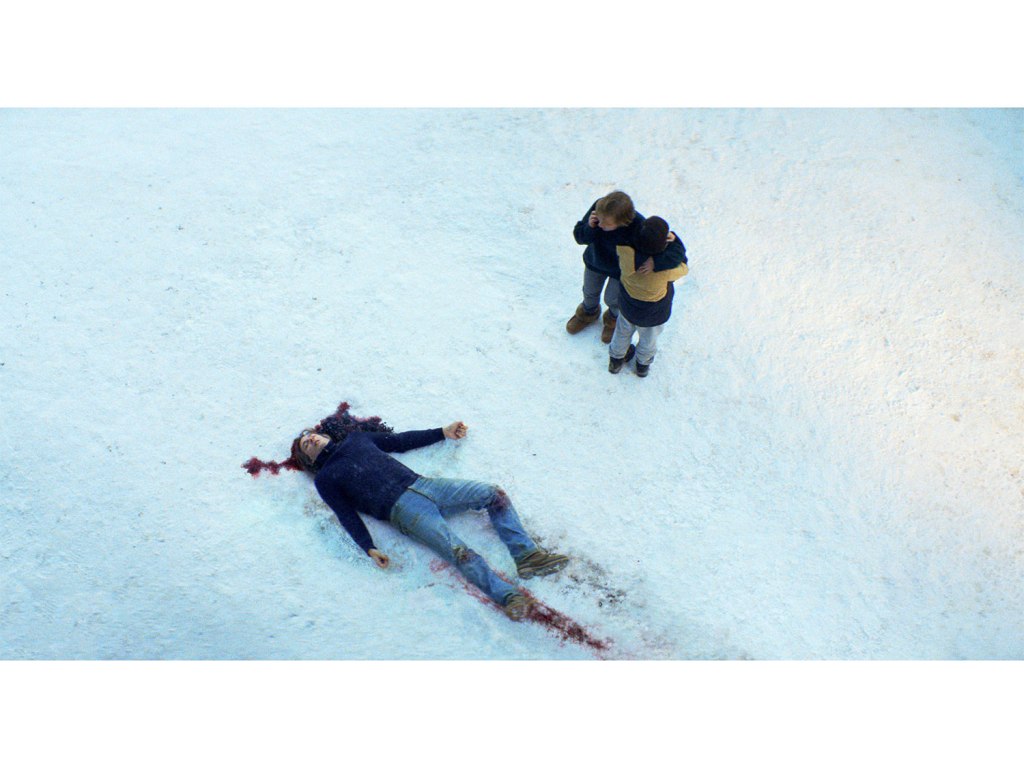
Anatomy of a Fall reflects the complex experience of isolation, and its effects on relationships. While the film does literally bring up the COVID-19 pandemic and subsequent quarantine, it dives further into the effects of isolation on people. The protagonist Sandra and her family live in the mountains without any neighbors or community surrounding them. Their home is the center of their lives and it seems like they rarely ever leave; their son even being homeschooled. Even before the death of her husband Samuel, it is clear that Sandra craves conversation and connection. This is something that she admits to and acts on at the very beginning of the film in a conversation she has with a woman interviewing her. She seemingly attempts to have a more intimate discussion with the woman than is actually necessary for the interview. When Sandra’s husband dies, she loses the connection, albeit unhealthy, that she had with him. This reflects back to study done showing how those separated/widowed were statistically more prone to feeling lonely or unsupported during the pandemic. The noticeable signs of isolation present within Sandra’s character conveys the homologous experience faced by many during the lockdown. This inevitably leads her to her friendship with Vincent Renzi, an old friend of Sandra’s who legally represents her in court as she is put on trial for her husband’s death. They grow closer; Sandra seems to consider Vincent the anchor of her life. Not merely in the fact that, without him, she would lose the case, but because she became emotionally dependent on him. This reflects how the pandemic affected people’s relationships in cases of isolation. While the pandemic created an urgent need for human interaction and connection through the forced isolation, this longing to socialize also encouraged some to rekindle unhealthy relationships. Although the trial highlighted the tensions already existing within Samuel and Sandra’s marriage, such frictions were amplified throughout more recent years.

In the recording played in court, Samuel is heard trying to communicate his need for space and alone time. Another fact that comes to light is that Daniel, Sandra and Samuel’s son, leaves the house and goes on walks whenever his parents are arguing. The family is cramped in the house with seemingly no ability to get out. This creates an environment of high tension, one that was widely felt in France and internationally during the lockdown. According to Statista, “France had a divorce rate of 55 per 100 marriages in 2020” (Statista Research Department). While Sandra and Samuel never got divorced, the state of their marriage reflects great unhappiness and relentless miscommunication. A review of the Anatomy of a Fall published in Roger Ebert suggests that the film’s director and writer Justine Triet “is trying to interrogate how couples communicate or fail to do so and what that failure can lead to in the end” (Tallerico). Samuel and Sandra repeatedly aggravate one another; the last thing Samuel did before his death being playing a song at full volume to annoy his wife. Their actions towards each other seem motivated by accumulated irritation and annoyance resulting from their confined environment. This stems from not being able to take time apart, reflecting the very situation put upon people during the quarantine.
Works Cited
Bourion-Bédès, S., et al. “Measuring COVID-19 related stress and its associated factors among the parents of school-aged children during the first lockdown in France.” BMC Public Health, 19 Sept. 2023, doi.org/10.1186/s12889-023-16731-3.
Laham, Sandy, et al. “Social Support, Loneliness and Mental Health during the COVID-19 Pandemic in France: A Longitudinal Study.” EHESP, 2020-2021, documentation.ehesp.fr/memoires/2021/mph/sandy_laham.pdf.
Statista Research Department. “Divorces: Number in France.” Statista, 5 Dec. 2022, statista.com/statistics/465782/number-of-divorces-france.
Tallerico, Brian. “Anatomy of a Fall Movie Review (2023): Roger Ebert.” Roger Ebert, 12 Oct. 2023, http://www.rogerebert.com/reviews/anatomy-of-a-fall-movie-review-2023.World Health Organization. “Situation by Region, Country, Territory & Area.” World Health Organization, covid19.who.int/table. Accessed 13 Dec. 2023.
Triet, Justine, director. Anatomy of a Fall. France 2, Les Films Pelléas, Les Films de Pierre, Auvergne Rhône-Alpes Cinéma, 2023.
 SUBTEXT JOURNAL